Kitchen Countertop Installation Riverside CA
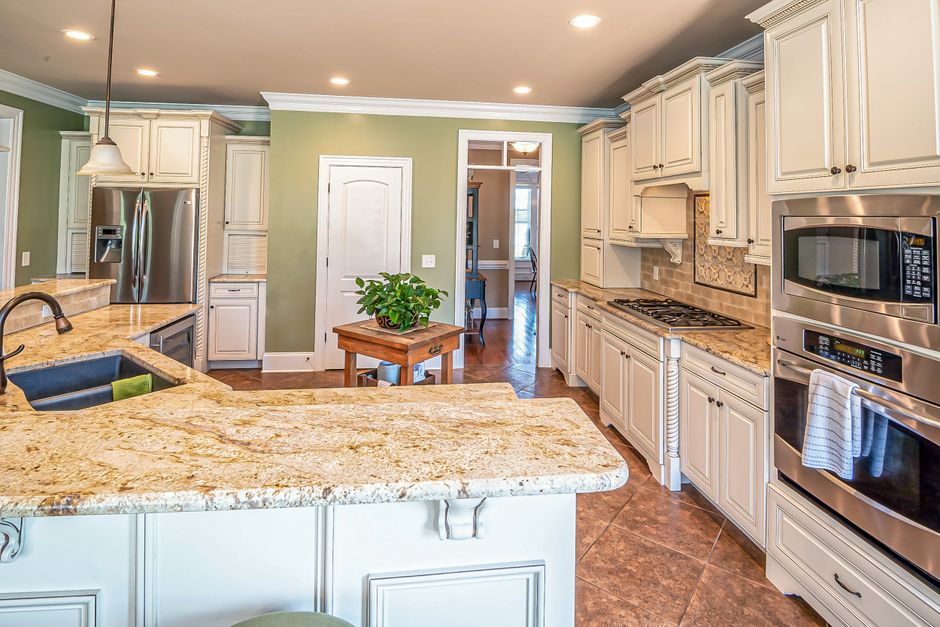
The weight of a stone slab changes every assumption about what your cabinets must do. Granite and quartz weigh many times more per square foot than laminate or tile, so the boxes underneath must carry a real load, not just hold doors and drawers. That shift in demand is where the decision to keep or replace begins.
Start With The Box Material
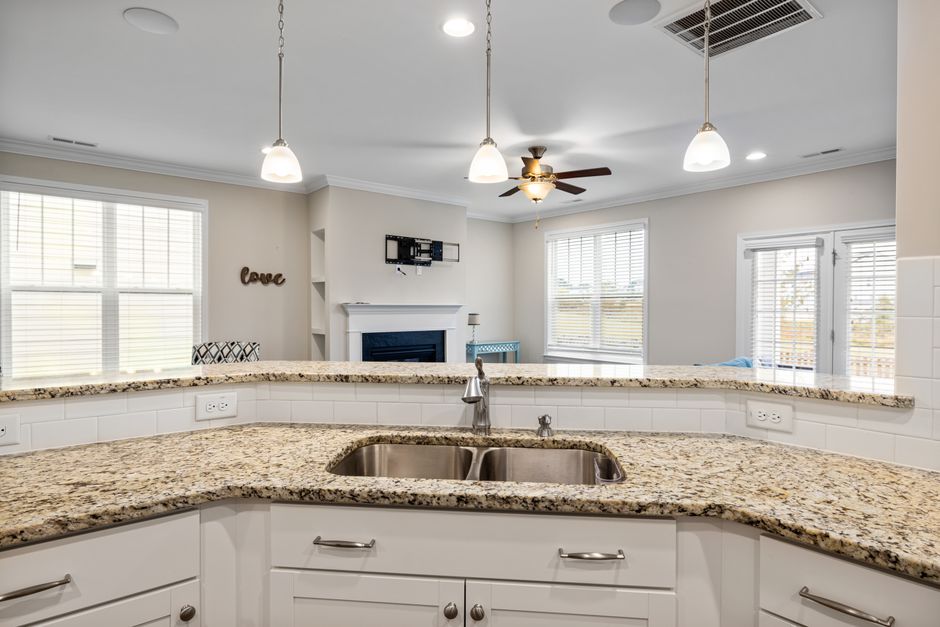
Plywood boxes generally reuse well if they have stayed dry. Particleboard can work when it is solid and dry throughout, but any swelling or crumbling at the edges means the material has lost strength and will not recover. Run your fingers along the bottom edges of each base cabinet. Soft spots, flaking, or a powdery surface tell you the box has absorbed water and cannot be trusted under stone.
Test Every Cabinet For Movement
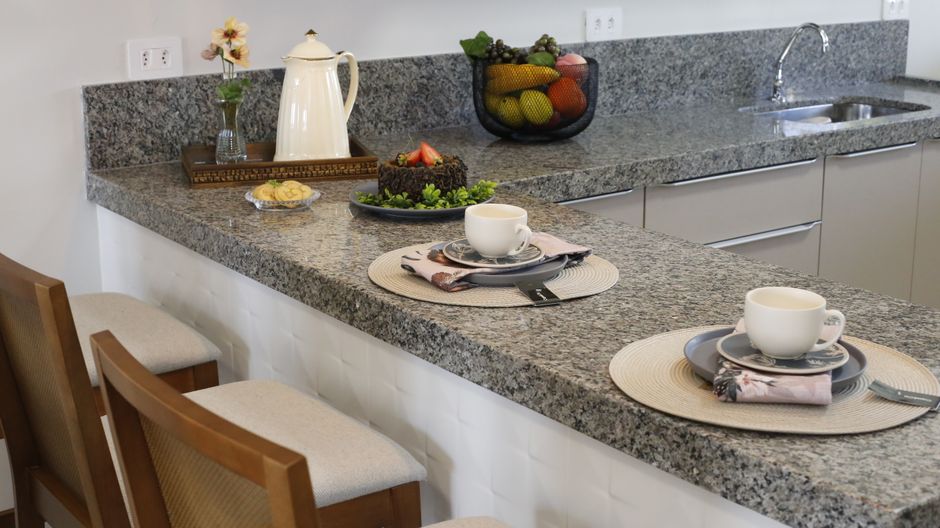
Press down hard on the top front corners and the top rails of each base cabinet. Any flex, creak, or movement means the box needs reinforcement or replacement before stone goes on. Do this test with the old countertop still in place, then repeat it after the old top is removed. The removal process itself can rack or crack boxes, especially when mortar set tile comes off. Midcentury homes in Riverside often have tile set in thick mortar, and the leverage needed to break it free can twist cabinets out of square.
Give The Sink Base Extra Scrutiny
Years of slow drips from faucets, supply lines, and the dishwasher connection rot the cabinet floor and lower side panels. Look for soft spots, dark staining, delamination, and a musty smell. In Riverside, hard water leaves mineral crust on faucets and supply valves, and crusted fittings are a common source of slow leaks under sinks. White mineral tracks on the shutoff valves and inside the sink base are a reliable sign of past seepage. If the sink base floor feels spongy or shows dark rings around the plumbing cutouts, plan on replacing that box or at least cutting out and patching the damaged sections with new plywood before templating.
Check For Termite Damage Before You Commit
Both subterranean and drywood termites are common in inland Southern California. Probe cabinet backs, toe kicks, and the wall framing behind them for hollow wood, mud tubes, or small piles of pellets. Treat and repair before installing stone. A treated cabinet that has been repaired with solid wood blocks or sistered framing can carry stone, but untreated damage will only get worse under the constant weight.
Verify Level And Flat Across The Entire Run
Use a long level across the cabinet tops, front to back and side to side. Stone needs a flat, level, continuous support plane. Fabricators can shim small differences, but large dips or humps can crack a slab or leave gaps at seams. Many Riverside tract homes from the postwar decades through the 1990s sit on concrete slabs. Settling or slab movement can leave floors out of level, and the cabinets follow the floor. Measure for this before you commit to reuse. If the floor slope exceeds what shims can correct, the cabinets may need to be leveled with full height shims or replaced with boxes that can be scribed to the floor.
Confirm Seismic Fastening
Riverside sits in an active seismic region, and a heavy stone top on loosely attached cabinets is a real hazard during shaking. Confirm that the cabinets are screwed into wall studs, not just nailed or attached to drywall. Secure fastening to framing matters more here than in quieter regions. Look inside the upper cabinets and behind the base cabinets for lag bolts or structural screws into studs. If you see only finish nails or drywall screws, plan to add proper fasteners before the stone arrives.
Check Cabinet To Cabinet Connections
Adjacent boxes should be screwed together through the face frames or sides so the run acts as one unit under the stone. Loose joints between cabinets create stress points at stone seams. Tighten or add screws where boxes meet. Riverside's dry heat and Santa Ana wind events pull moisture out of wood. Older cabinets can develop loose glue joints, gaps in face frames, and split panels. Tighten or reglue loose joints before the top goes on, because stone will not hide movement underneath.
Remove The Old Substrate If Present
Many older laminate or tile tops were built on a plywood or particleboard deck. Stone usually sits directly on the cabinet boxes or on thin shims and does not need that deck. Ask your installer whether the old substrate comes off, because leaving it raises the counter height and can trap moisture between the old deck and the new stone. The added height also affects the backsplash line, outlet positions, window sills, and how the dishwasher fits under the counter.
Plan For Height Changes Early
A new stone top may sit higher or lower than the old one. That affects the backsplash line, outlet positions, window sills, and how the dishwasher fits under the counter. Dishwashers usually mount to the underside of the countertop. With stone, they typically need side mounting brackets fastened into the adjacent cabinets, so those side panels must be solid. If the new height pushes the dishwasher flange above the cabinet opening, you may need to trim the cabinet face frame or raise the appliance.
Verify Sink Base Clearance For Undermount
Undermount sinks hang from the stone and need clearance and support inside the sink base. Check that the sink base is wide enough for the new sink and that the front rail can be trimmed without weakening the box. Some older sink bases have a center stile that interferes with wide undermount bowls. Removing that stile requires adding a header across the front to carry the load, which is easier to do before the stone is templated.
Address Overhangs And Unsupported Spans
Overhangs at islands or peninsulas beyond what the stone can carry on its own need corbels, brackets, or hidden steel supports anchored into solid cabinet structure. Weak end panels cannot anchor them. Corner cabinets and long unsupported spans, such as an open space where a range or appliance will sit, need added cleats or blocking so the stone is supported at every edge and seam. A span over a cooktop cutout that exceeds the fabricator's recommended maximum will sag or crack without intermediate support.
Do Repairs Before Templating
Expect the template step to expose problems. Fabricators measure from the installed cabinets, so do repairs, leveling, and reinforcement before templating, not after. Once the template is cut, the slab is fabricated to those exact dimensions. If you shim a cabinet after templating, the stone will not sit flat. If you replace a cabinet box after templating, the new box may not match the template and the slab will not fit.
Repair Structure Before Cosmetics
If you plan to refinish or paint the cabinets, do the structural repair first. Fresh paint on a weak box hides damage you will regret once the stone is on. Paint can mask soft particleboard, loose joints, and termite tunnels. Strip the finish if needed to see the true condition of the wood, then repair, then refinish.
Consider Refacing As A Middle Path
Mixing new stone with dated cabinet styles can make the remodel look unfinished. Consider replacing only the doors and drawer fronts while keeping sound boxes. This is a common middle path in Riverside neighborhoods where the layout works but the style has aged. New shaker doors on solid plywood boxes with fresh hardware can look like a full custom kitchen under a stone top, at a fraction of the cost of all new cabinets.
Upgrade Hardware While Access Is Easy
Replace worn drawer slides and hinges while you are at it. Hardware swaps are simple with the counter installed, but replacing a drawer box or face frame later may mean working under stone that cannot easily come off. Full extension soft close slides and concealed hinges are inexpensive upgrades that make a reused cabinet feel new every day.
Make The Decision With Eyes Open
Keeping cabinets under stone is not automatically cheaper or faster. The inspection, repair, leveling, and reinforcement steps take time and skill. If more than one or two boxes need replacement, or if the run is significantly out of level due to slab movement, the labor to prep old cabinets can approach the cost of new ones. New cabinets come level, square, and ready for stone with no surprises. But if your boxes are plywood, dry, solid, well fastened, and level, keeping them is a sound choice that saves landfill waste and preserves the existing layout. The deciding factor is not the age of the cabinets but their condition after you have checked every point on this list.